Water Damage Restoration in Dunham Oaks, MN
Dunham Oaks is a wooded neighborhood on the Mississippi side of Anoka, west of downtown near the county fairgrounds and the river, with houses from the late 1960s through the 1980s on larger, treed lots. Most are two-story and split-level homes with full basements, many finished, and many with walkout or lookout lower levels facing the low ground toward the river. Franklin Lane and the streets around it were named with Rivers Point in April 2023 as the parts of town where homeowners reported wet basements as the crest approached, and where the city delivered sand.
Wooded lots near the river mean high groundwater, oak roots in old clay drain tile, and gutters full of leaves in October. The sump pit does most of the work here, and when it fails during a thaw the finished lower level takes the hit.
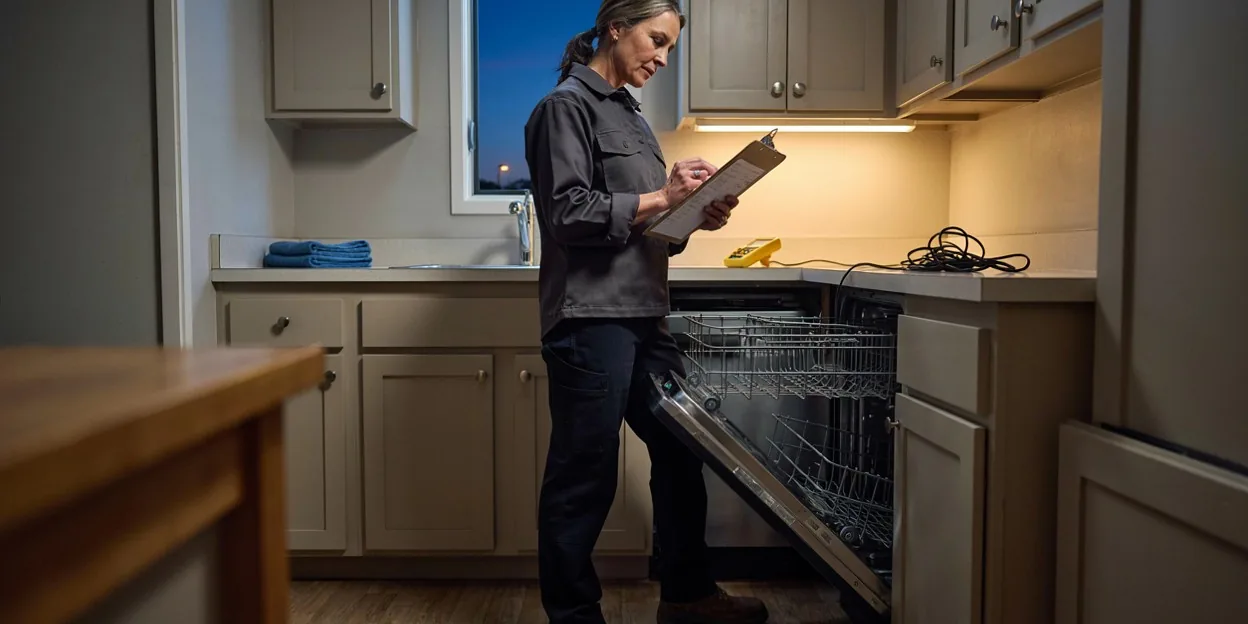
This site puts Dunham Oaks homeowners through by phone to an independent local water damage provider. The provider walks the lower level with a meter first.
Dunham Oaks water damage in a finished 1970s lower level
A pump that lost power in a spring storm is a sump pump failure cleanup. Carpet, pad, and the bottom of the drywall around a walkout that took groundwater is a basement flooding cleanup. After the wet material leaves, structural drying keeps equipment running against daily readings until the lower level meters dry.
The school district headquartered a few blocks away
Anoka is home to the offices of the Anoka-Hennepin School District on North Ferry Street, the largest district in Minnesota, with 38 schools across Anoka, Andover, Coon Rapids, Champlin, and Ramsey. Rebuild permits for a Dunham Oaks lower level go through the City of Anoka.
Call (763) 363-6050 and say which level is wet and whether the pump is running. We put you through to an independent local water damage provider serving Dunham Oaks.
Services Available in Dunham Oaks
Basement Flooding Cleanup
Water pumped out of a full basement under a 1960s rambler or split-level, then the block walls, carpet pad, and paneling metered for what stayed wet.
Sump Pump Failure Cleanup
Cleanup after the pump quit in a spring thaw or a summer storm, and drying of the floor and the bottom of the walls the pit overflow reached.
Water Extraction
Standing water pulled off concrete, carpet, and tile on any level of the house, with moisture readings taken as soon as the floor is clear.
Frozen Pipe Cleanup
Cleanup after a supply line froze in a rim joist, a garage wall, or a cold corner of the basement in January and split when the thaw came.
Structural Drying
Air movers and dehumidifiers run against daily readings until the block, framing, and drywall in a cold Minnesota basement reach their dry target.
Ice Dam and Roof Leak Water Damage
Wet attic insulation, ceilings, and exterior walls dried after an ice dam backed meltwater under the shingles or a storm tore the roof open.
Water Heater Leak Cleanup
The tank in the utility corner let go and the basement floor, the nearest finished wall, and the boxes along it are wet and need to be pumped and dried.
Sewer Backup Cleanup
Contaminated water that came up the floor drain during a river crest or a heavy rain removed, with the carpet and drywall it touched cut out and the floor cleaned.